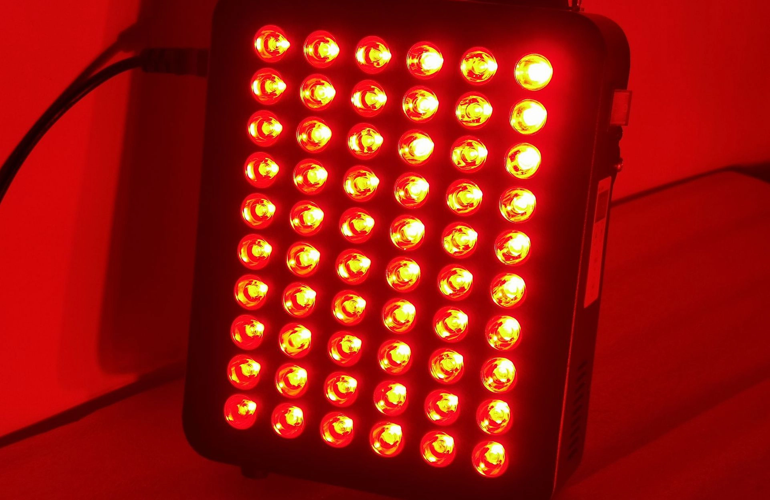
Infrared LEDs (wavelength range: 780nm–3000nm) feature high efficiency, environmental friendliness and controllability. They are widely adopted in security monitoring supplementary lighting, facial recognition, medical optical measurement, infrared heating, remote control sensors, industrial automation and other sectors.
Different from visible light, infrared radiation causes harm mainly through thermal effects. High-intensity infrared light may induce thermal damage to the human cornea and lens; near-infrared bands can also create thermal hazards to the retina. In addition, when infrared LED devices are used close to human skin, conductive heat from semiconductor chips superimposes with radiant heat, which may significantly raise skin temperature and trigger burn risks.Therefore, conducting photobiological safety testing for infrared LED devices is an essential step for products to enter the market compliantly.
01 What is IEC 62471?
Published by the International Electrotechnical Commission (IEC), IEC 62471 is formally titled Photobiological safety of lamps and lamp systems. It serves as a globally recognized guideline for evaluating optical radiation safety.Scope: Covers the full spectrum from 200nm to 3000nm. Infrared LEDs (780nm–3000nm) fall within its testing scope.
Risk Groups: Products are classified into four risk groups based on potential hazards of optical radiation to human eyes and skin:
RG0 (Exempt Group): No hazard, the safest classification
RG1 (Low Risk Group): Safe under normal operating conditions
RG2 (Moderate Risk Group): Protective precautions are recommended
RG3 (High Risk Group): Obvious hazards present; strict control measures required
Key Testing Focus for Infrared LEDs
Infrared radiation causes injury predominantly via thermal effects, differing from the blue-light hazard mechanism of visible light. Testing mainly focuses on two aspects:Ocular hazards from infrared radiation (780nm–3000nm)
Evaluate risks of thermal damage to the cornea, lens and retina induced by infrared light. Longer-wavelength infrared radiation is mostly absorbed by the cornea and lens and may lead to cataracts. Near-infrared light (780nm–1400nm) can reach the retina and cause thermal injury.
Skin thermal hazards (380nm–3000nm)
Assess the temperature rise effect of infrared radiation on human skin. This test item carries particular importance for infrared physiotherapy devices, beauty equipment and other products designed for skin contact.
Standard Implementation
This standard has been adopted by the EU (as EN 62471), the United States and many other economies. It constitutes a core technical basis for CE marking when exporting products to the EU, as well as market access requirements domestically.
02 Testing Procedures
- Consultation & Scheme ConfirmationEnterprises provide product specifications. The laboratory evaluates applicable test items and scope according to product characteristics.
- Sample & Documentation PreparationSupply 2–3 mass-production samples, along with product specifications, circuit diagrams, bill of critical components and other documents.
- Laboratory TestingTests are carried out in a darkroom environment. Samples are preheated until stable operating status. A high-precision spectroradiometer performs full-spectrum scanning from 200nm to 3000nm to collect spectral irradiance and radiance data.
- Data Analysis & Risk Group ClassificationWeighted calculation of each hazard value is performed. The results are compared against standard limits to determine the risk group (RG0–RG3).
- Test Report IssuanceAfter verification and approval, a test report endorsed with CNAS and CMA accreditation seals is issued.
03 Reference Lead Time & Cost
Testing Lead Time
Standard infrared LED products: 5–7 working days
Complex products (dimmable, high-power, multi-chip modules): 7–10 working days
Expedited service: Minimum 3 working days
Cost Information
Testing costs are mainly affected by the following factors:Product type and light source characteristics: Higher costs apply to high-power products and items with complex spectra
Scope of test items: Significant price differences between full assessment and single-item testing
Report purpose: Whether an internationally recognized CNAS/CMA report is required
We recommend submitting detailed product specifications for an accurate quotation.
04 Services We Provide
As a professional third-party optical testing laboratory, we deliver comprehensive services for IEC 62471 photobiological safety testing of infrared LED devices:Accreditation Support: CNAS (L15898) / CMA (202119015918) accredited laboratory; reports enjoy global mutual recognition
Full Spectrum Coverage: Capability for 200nm–3000nm full-spectrum testing covering ultraviolet, visible and infrared bands
Complete Test Items: One-stop testing including infrared ocular hazards and skin thermal hazards
Decades of Expertise: Over tens of thousands of photobiological safety test cases completed
One-Stop Compliance Solution: Support for IEC 62471 / EN 62471 testing and CE certification simultaneously